CONTRIBUTING FACTORS AND HIDDEN HARM:
Illegal Substances
Illegal Substances
Illegal Substances
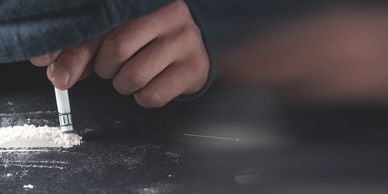
The use of cocaine and other drugs have been highlighted as exasperating factors in domestic abuse offences, and the results from pilots in seven police forces have demonstrated significant evidence to support this. In one area, nearly 85% (127/150) of domestic abuse offenders arrested and drug tested, were positive for cocaine and/or opiates and overall across the pilot forces, 59% of those tested were positive for cocaine and/or opiates.
Alcohol
Illegal Substances
Illegal Substances

Alcohol does not cause domestic abuse. However, both perpetrators and victims of domestic abuse may drink alcohol. Research (Gadd et al., 2019; Graham et al., 2011) shows that alcohol can:
- increase the risk of perpetrating domestic abuse
- increase the risk of being a victim of domestic abuse
- increase the severity of domestic abuse
Anabolic Steroids
Illegal Substances
Narcissistic Personality Disorder

Some people who take steroids say the drugs make them feel powerful and energetic. However, steroids are also known to increase irritability, anxiety and aggression and cause mood swings, manic symptoms and paranoia, particularly when taken in high doses.
Studies have linked increased aggressive and violent behaviours with anabolic steroid use, but there is concern that more research is needed in the area so as to assess the role of social other factors.
Narcissistic Personality Disorder
Narcissistic Personality Disorder
Narcissistic Personality Disorder

Narcissistic abusers are often highly skilled at creating a façade of charm and confidence while masking their controlling tendencies beneath a veneer of affection and care. However, beneath the surface lies a calculated effort to maintain power and control over their victim.
Key factors are:
Coercive Control, Gaslighting and Emotional Manipulation
Victims often experience feelings of worthlessness, shame, anxiety, and depression. Their sense of self is gradually eroded. Over time, this can lead to emotional numbness, difficulty trusting others, and an inability to make decisions without fear of repercussions.
Victims of narcissistic abuse may also suffer from trauma bonding (Stockholm Syndrome), where they feel a deep emotional connection to their abuser despite the harm being done. The abuser’s intermittent acts of kindness or affection create a powerful psychological bond, making it harder for the victim to break free.
Mental Health
Narcissistic Personality Disorder
Mental Health

Perpetrator mental health can affect victims through coercive control and psychological tactics like gaslighting or brainwashing, which worsen victims' existing mental health issues or create new ones such as depression, anxiety, and PTSD.
Exposure to traumatic events can lead to stress, fear and isolation, which may lead to depression and suicidal thoughts or behavior. Survivors of domestic violence may internalize verbal abuse from their partner. They may blame themselves for their situation or feel anger and resentment toward themselves.
A perpetrator may exploit a victim's mental health to isolate them, threaten to have children removed, or prevent them from seeking help by making them doubt their sanity. This creates a complex cycle where victims fear disclosure and remain trapped, while the perpetrator uses the mental health conditions to further control the victim.
Anger
Narcissistic Personality Disorder
Mental Health
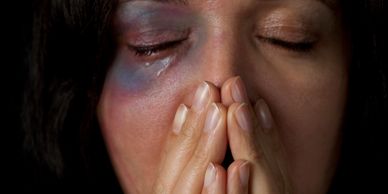
Anger is not the cause of domestic abuse, physical abuse is potentially life changing. Not only for the victim through wounds, but also for the perpetrator who could face a prison sentence.
The perpetrator of abuse, could, when feeling angry, stop in the moment and walk away, descalate, ask themselves what they are feeling angry about and try to identify the hidden feelings that fuel their anger. It may be deep childhood attachment wounds which trigger, and anger has become inappropriately normalised.
When you love someone, you do not cause someone you profess to love wounds. That is not love. Physical abuse is when the perpetrator deliberately choses to cause chaos, pain, isolation and suffering, their sole intention is to keep control and instill fear upon their victim.